Blogs
Home >Blogs
Commercial vs Residential Construction: What's the Difference?
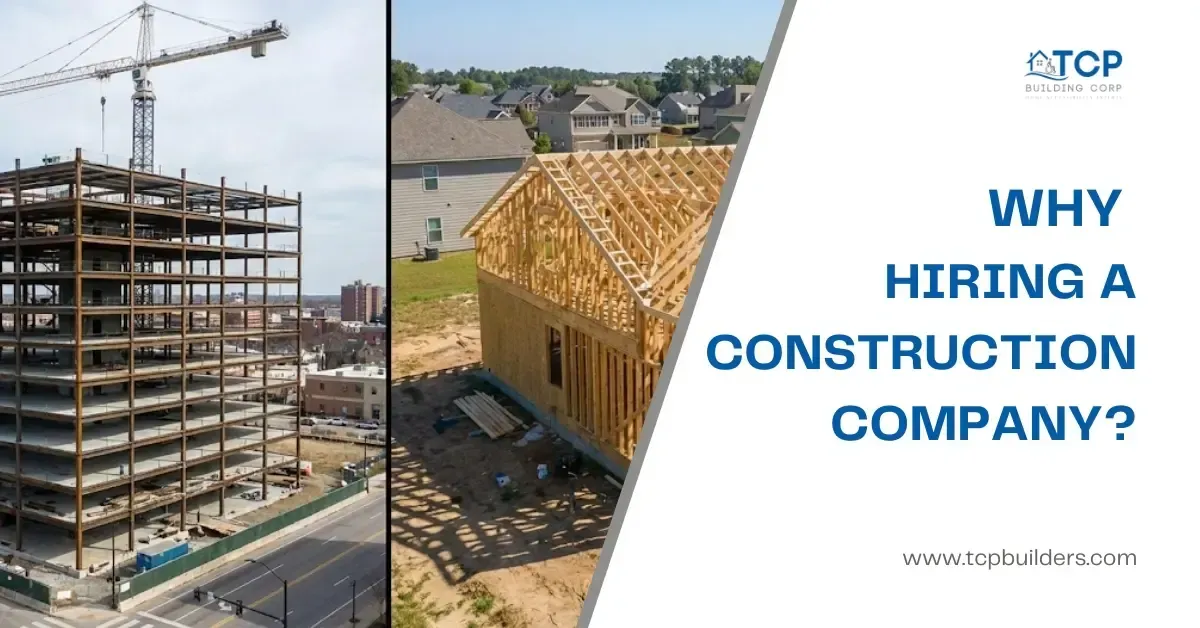
You want to build something new. But should you hire a commercial builder or a residential one? Many property owners in Massachusetts make this mistake. They hire the wrong type of contractor and face delays, cost overruns, and headaches.
Understanding commercial vs residential construction helps you make the right choice from day one. This guide breaks down the key differences between residential and commercial building construction in simple terms. You'll learn what each type involves, how they differ, and which one fits your project needs.
What Is Commercial Construction?
Commercial construction builds structures for business purposes. These projects create spaces where people work, shop, or conduct business. Office buildings, retail stores, warehouses, restaurants, and shopping centers all qualify as commercial properties. TCP Building Corp handles commercial projects across Massachusetts, from small storefront renovations to large distribution centers.
A commercial building serves many people daily and must meet strict building codes and ADA compliance standards. General contractors coordinate complex work, managing subcontractors who install HVAC systems, fire suppression equipment, and commercial-grade electrical panels. Structural engineers design load-bearing walls while project managers obtain necessary permits and schedule building inspections.
What Is Residential Construction?
Residential construction creates places where people live. Residential buildings house people in single-family homes, apartment buildings, condominiums, and townhouses across Massachusetts. Residential builders design comfortable living spaces with functional kitchens, proper insulation, and drywall finishes.
TCP Building Corp handles new construction and historic renovations on the North Shore and Cape Cod. Custom home builders work directly with homeowners. They help select flooring materials, paint colors, and light fixtures. They ensure proper foundation work before wood framing begins.
Key Differences Between Residential and Commercial Construction
The gap between residential and commercial construction goes far beyond just building size. Each type follows different rules, uses different materials, and requires different expertise. TCP Building Corp helps Massachusetts property owners understand these distinctions before breaking ground. Here's a clear breakdown of how these two types of construction compare across the most important factors.
Building Codes and Permits
Building codes differ significantly between commercial and residential projects.
Commercial Building Requirements
Massachusetts enforces strict fire safety rules for commercial buildings. They require multiple emergency exits, mandatory sprinkler systems, and full ADA compliance with wheelchair ramps and lifts.
Commercial projects need approval from the fire department, health department, and zoning boards. Building inspectors examine structural plans thoroughly. Permit approval takes several months.
Residential Building Requirements
Residential codes focus on family safety standards. Homes need smoke detectors, carbon monoxide alarms, and proper bedroom egress windows. Electrical panels must meet residential capacity requirements.
Getting residential permits happens much faster. Towns like Brookline approve home renovations within weeks. The rules feel less complex than commercial requirements for homeowners.
TCP Building Corp handles all permit applications with the Massachusetts building officials. Their expertise saves property owners countless frustrating hours navigating complicated regulations and approval processes.
Materials and Design: Commercial Grade vs Residential Grade
Commercial buildings use heavy-duty materials built to last decades. So what does commercial-grade construction mean for residential projects? It usually means upgraded materials, reinforced framing, and longer warranties, which is why some homeowners choose residential contractors building to commercial construction standards in Massachusetts.
Commercial Construction Materials
Steel framing supports large open spaces in commercial structures. Concrete floors withstand constant foot traffic from hundreds of people daily. Load-bearing walls support significantly heavier weights. Reinforced concrete is common in larger commercial work.
Commercial projects install metal roofing for maximum durability. Commercial windows feature reinforced frames. Exterior cladding includes brick, stone, or metal panels installed by structural engineers.
Commercial-grade HVAC systems cool entire office floors efficiently. Electrical systems power computers, servers, and heavy industrial equipment. Fire suppression systems protect valuable business assets.
Residential Construction Materials
Residential construction usually uses standard wood framing throughout. Drywall covers interior walls. Homes feature asphalt shingles, vinyl siding, or traditional wood clapboards for exterior finishes.
Residential building materials cost considerably less per square foot. Standard fixtures serve family needs well. Design emphasizes personal comfort, privacy, and individual style preferences.
Design Differences
Commercial spaces maximize usable square footage for profit. Open floor plans allow easy reconfiguration as business needs change. Residential design prioritizes warmth and livability instead.
Massachusetts coastal properties require salt-resistant materials. Western Massachusetts buildings prepare for heavy snow loads. Site preparation and drainage requirements vary by location and soil type.
Timeline and Scale
Commercial and residential construction projects run on different schedules.
Commercial Project Timelines
Small office renovations take four to eight months minimum. Building new commercial structures requires one to three years. Planning phases demand extensive upfront time investment.
Commercial project teams include dozens of construction workers on-site. Electricians, plumbers, HVAC specialists, and concrete workers coordinate complex daily schedules. Project managers track every detail carefully. Many commercial projects also require crane operations and heavy equipment rotation throughout the schedule.
Architects spend months designing commercial buildings carefully. Engineers analyze structural loads and mechanical systems. They create detailed blueprints and comprehensive specifications for contractors.
Residential Project Timelines
Typical home renovations finish within three to six months. New residential construction takes six to twelve months. Commercial projects stretch significantly longer than homes.
Residential crews typically have just five to ten workers. Coordination feels simpler with smaller teams. Custom homes still require careful planning despite faster design phases overall.
Weather Impact on Construction
Massachusetts winters halt many construction activities significantly. Concrete pouring stops completely in freezing weather. Exterior work slows down, but interior finishing continues through cold months.
Demolition always takes longer for commercial buildings. They contain more materials and require careful hazardous material removal. Residential demolition proceeds faster with fewer complications.
If you need equipment for a smaller residential or commercial site, our equipment sales and rentals page covers what's available locally without the hassle of national rental chains.
Costs and Budgeting
Commercial construction costs more per square foot than residential work.
Commercial Construction Costs
Residential renovations in Massachusetts cost one hundred to three hundred dollars per square foot. Commercial projects start at two hundred dollars minimum and climb rapidly.
High-end commercial space hits five hundred to eight hundred dollars per square foot in prime Boston locations. Parking lot construction and elevator installation add significant expenses.
Commercial buildings require expensive fire suppression systems throughout. They use premium materials that withstand decades of heavy daily use. Commercial-grade equipment costs substantially more than residential alternatives.
For one of the more common questions we get, a commercial restroom renovation cost per square foot in 2026 typically runs $250 to $500 for a standard build, climbing higher for ADA-compliant or high-traffic restrooms. For comparison, our accessible bathroom services and Brockton accessible bathroom remodels on the residential side typically come in lower because the scale and code requirements are different.
Residential Construction Costs
Financing works differently between project types entirely. Homeowners secure standard residential mortgages with predictable terms. Commercial projects always need construction loans carrying higher interest rates.
Banks scrutinize commercial projects more carefully than homes. They require detailed cost estimates and adequate contingency funds. TCP Building Corp provides transparent breakdowns covering material costs, labor expenses, and permit fees.
Massachusetts Cost Factors
Massachusetts labor costs exceed the national average significantly. Union requirements on commercial projects add expenses. The skilled labor shortage hits commercial work harder than residential.
Specialized tradespeople command premium wages across Massachusetts. Change orders happen frequently in commercial work. Business owners modify plans as evolving needs emerge during construction phases.
How to Hire the Right Commercial or Residential Contractor
Choosing the wrong contractor costs you time, money, and stress. Commercial general contractors and residential builders have different expertise. TCP Building Corp helps Massachusetts property owners find qualified professionals for any project size, whether you need a residential and commercial contractor for a mixed-use project or a specialist for one side.
Check Licenses and Insurance
Verify the contractor holds proper construction supervisor licenses (CSL) in Massachusetts. Confirm they carry liability insurance and workers' compensation coverage. Check license status through the state website.
Review Their Portfolio
Ask to see completed projects similar to yours. Commercial contractors should show office buildings, retail spaces, or industrial work. Residential builders display homes, kitchen remodels, and renovation projects.
Read Client References
Contact at least three previous Massachusetts clients directly. Ask about project timelines, budget accuracy, and communication quality. Check online reviews on Google and the Better Business Bureau.
Verify Industry Experience
Choose contractors with specific expertise in your project type. TCP Building Corp brings years of experience in residential and commercial construction across Massachusetts communities. Our East Bridgewater construction company and West Bridgewater construction crew cover both sides of the industry.
Get Detailed Written Estimates
Request itemized cost estimates covering material costs, labor expenses, and permit fees. Compare at least three bids. Watch for unusually low estimates signaling potential problems.
Understand Their Process
Ask how they handle change orders, unexpected issues, and project delays. Good contractors explain their scheduling process, subcontractor management, and quality control measures clearly.
Review Contract Terms
Read contracts carefully before signing anything. Ensure payment schedules, project timelines, warranty policies, and scope of work appear clearly. Never pay the full amount upfront.
Confirm Local Knowledge
Hire contractors familiar with Massachusetts building codes, zoning regulations, and local permit requirements. TCP Building Corp maintains established relationships with building officials and inspectors statewide. Our accessible construction services in Abington bring that local knowledge to ADA-focused work.
Assess Communication Style
Choose contractors who respond promptly to questions. They should explain technical details in plain language. Good communication prevents misunderstandings and keeps projects running smoothly.
Trust Your Instincts
If something feels wrong, keep looking elsewhere. Professional contractors arrive prepared, answer questions confidently, and treat you with respect throughout initial consultations.
Common Challenges in Each Type of Construction
Every construction project faces obstacles. Commercial and residential work encounter different problems requiring unique solutions. Understanding these challenges helps property owners prepare better and avoid costly surprises.
Commercial Construction Challenges
Strict Zoning Regulations
Zoning regulations create major hurdles for commercial projects in Massachusetts. Towns like Newton and Wellesley limit building heights and require extensive parking. Getting variances takes months of presentations.
Complex System Coordination
Complex systems need expert coordination throughout projects. HVAC systems must integrate with fire suppression systems perfectly. Electrical panels handle massive loads while data cabling supports network infrastructure requirements.
Site Logistics Management
Site logistics challenge commercial builders significantly every day. They need space for material delivery and storage areas. They coordinate crane operations safely and manage traffic control around busy work sites. Risk of theft is also higher on commercial sites, so security planning matters.
Intense Timeline Pressures
Timeline pressures stress everyone involved in commercial projects. Business owners want to open quickly for revenue. Tenants need specific move-in dates. Delays cost money daily. TCP Building Corp keeps projects on schedule.
Mechanical System Complexity
Mechanical systems grow exponentially complex in commercial buildings. Ductwork snakes through ceilings everywhere. Electrical conduit feeds power throughout structures. Fire alarm systems connect to every single room.
Environmental Compliance Requirements
Environmental assessments become necessary for certain commercial sites. Massachusetts requires careful review of contaminated properties. Hazardous material testing adds time and expense before construction begins properly.
Residential Construction Challenges
Living During Construction
Living in your home during work creates significant stress. Dust spreads everywhere constantly. Noise disrupts sleep and work-from-home schedules. Families lose kitchen or bathroom access temporarily during renovations.
Tight Budget Constraints
Budget constraints hit homeowners harder than commercial clients. Families can't easily absorb unexpected cost overruns. Hidden problems like termite damage or outdated electrical wiring strain finances significantly.
Historic Preservation Rules
Massachusetts historic preservation rules affect many residential projects statewide. Homes in historic districts face strict renovation guidelines. The Cape Cod Commission reviews coastal construction carefully before approval.
Managing Homeowner Expectations
Homeowner expectations require careful management from start to finish. People envision their dream homes on Pinterest. Reality sometimes differs from vision boards. TCP Building Corp sets realistic expectations upfront always.
Neighborhood Considerations
Neighborhood considerations matter significantly during residential work every day. Contractors must respect neighbors' peace and property. They control dust and noise levels. They park equipment responsibly and maintain clean job sites.
Permit Delays and Inspections
Getting residential permits can sometimes delay projects unexpectedly. Building inspectors schedule visits during specific construction phases. Failed inspections require corrections before work continues. Proper planning prevents most inspection issues.
Conclusion
Understanding commercial vs residential construction saves you time, money, and stress. Commercial projects handle business needs with heavy-duty materials, complex systems, and strict codes. Residential construction creates comfortable living spaces with family-friendly designs and simpler requirements.
Massachusetts property owners benefit from choosing contractors with the right expertise for their specific project type. TCP Building Corp stands ready to guide you through either path, ensuring your construction project succeeds from planning through completion. Their experienced team handles everything from site preparation to final punch list items. Contact them today to discuss your commercial or residential construction needs and get expert advice tailored to Massachusetts requirements.
FAQ
What's the main difference between commercial and residential construction?
Commercial construction builds business spaces like offices and stores. Residential construction creates homes. They follow different building codes, use different materials, and require specialized contractors.
How much does commercial construction cost in Massachusetts?
Commercial projects cost $200 to $800 per square foot, depending on location. Boston commands higher prices. TCP Building Corp provides detailed cost estimates covering all expenses upfront.
Can I live in my house during a renovation?
Yes, but expect dust, noise, and limited access to certain rooms. Major kitchen remodels or bathroom renovations may require temporary arrangements for comfort and safety.
Do I need a permit for my construction project?
Yes, both commercial and residential projects need building permits in Massachusetts. TCP Building Corp handles all permit applications and works directly with local building officials.
How long does typical construction take?
Home renovations take 3 to 6 months. New homes need 6 to 12 months. Commercial projects range from 4 months to 3 years, depending on the size and complexity of the work.

STAY UPDATED
Get Your Free Accessibility Estimate Today!
Make your home or business safer and more accessible with TCP Building Corp. Request your free estimate now and see how we build ramps, lifts, and accessible spaces with precision and care.

Making homes and businesses across Massachusetts accessible, comfortable, and safe—with dependable service, expert craftsmanship, and results that last.

Quick Links
Contact Info


Phone