Blogs
Home >Blogs
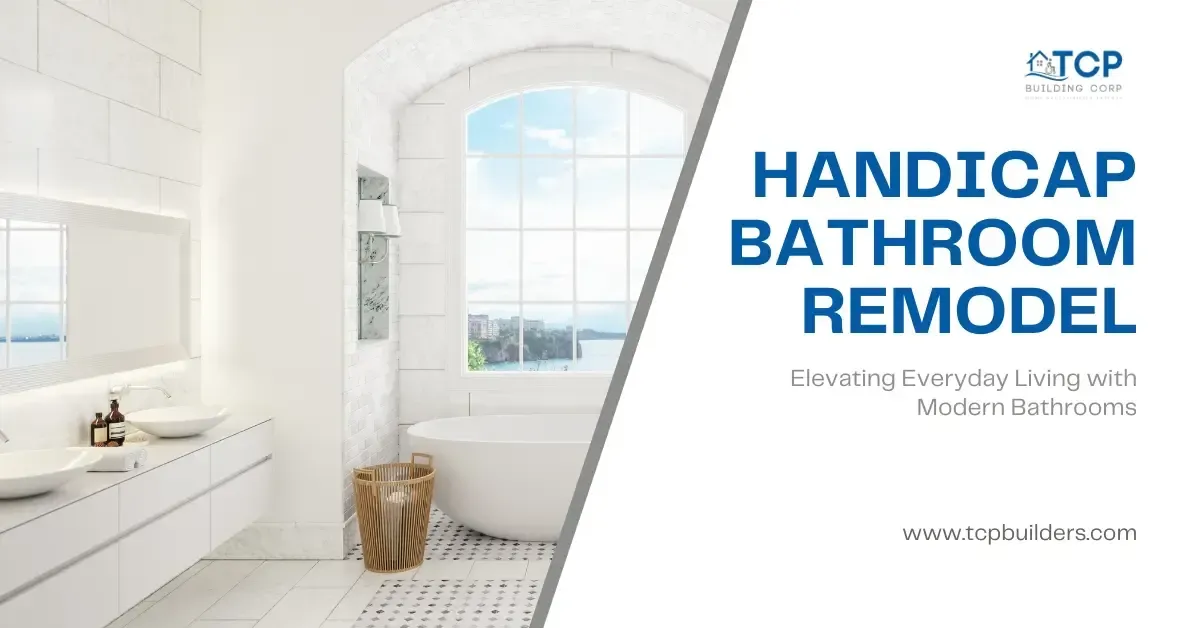
What Is a Handicap Bathroom Remodel: A Guide Accessible Bathroom
At TCP Building Corp, we believe every person deserves a home that feels safe and easy to use. Investing in a Handicap Bathroom Remodel is the best way to ensure that someone with limited mobility can stay independent and comfortable. We focus on features like curbless showers, sturdy grab bars, and wider doorways to allow for wheelchairs.
Installing comfort-height toilets and non-slip flooring is essential for preventing slips and falls. For seniors who want to age in place, this is not a luxury; it is a step that supports long-term dignity. Many older houses were never built with accessibility in mind, so our Construction company helps the room fit your real needs. By creating a space with a 60-inch turning radius and lever-style faucets, we help families create warm, safe spaces for all seasons.
What Are the Key Takeaways for a Handicap Bathroom Remodel?
A handicap bathroom remodel makes the bathroom safer and easier to use for anyone with limited mobility. It lowers fall risk and helps the person feel more confident every day.
These updates help older adults in Massachusetts stay in their homes longer. Small bathroom modifications can make daily tasks much safer and less stressful.
A safer bathroom also reduces pressure on caregivers. More open space and proper grab bar support make helping someone easier and safer.
Many older homes were not built for accessibility, so a bathroom renovation fixes long-time safety gaps. Wider doors, safer flooring, and a better layout make a big difference.
Simple upgrades like grab bars and walk-in showers protect health and dignity. They turn a hard-to-use room into a comfortable, welcoming accessible bathroom for the whole family.
What Does a Handicap Bathroom Remodel Actually Involve?
A handicap bathroom remodel updates the room so a person with a disability can move with less risk and stress. It adds safer fixtures, strong grab bars, open space, and easy access to the shower and toilet. Many older Massachusetts homes have tight layouts, narrow doors, and uneven floors, so these changes help make a bathroom accessible to fit real needs today and support safe, comfortable daily use. This guide to handicap bathroom planning covers everything a homeowner needs to know before starting a renovation.
What Are the Key Features of a Handicap-Accessible Bathroom?
A handicap accessible bathroom uses simple tools and a safe accessible design to help people move with confidence. Standard bathrooms are built for strong bodies, but a handicap-accessible bathroom supports slower steps, weaker balance, and real daily needs. Universal design principles guide the best remodeling contractors when creating accessible spaces that work for everyone.
How Does an Accessible Shower or Walk-In Tub Make the Bathroom Safer?
The shower area is often the first place that needs to change in a bathroom remodel. Many homes switch tall tubs to walk-in or roll-in shower options. A curbless shower lets someone enter a tub or shower space with less strain. A roll-in shower also works well for wheelchair users and people with limited mobility. A shower seat, textured bathroom floor, and handheld shower head make washing easier and safer. TCP Building Corp also installs grab bars in the shower stall and near the tub, following safe ADA heights for bars near the toilet and shower. An accessible shower is one of the most important safety features in any accessible bathroom remodel.
What Toilet and Grab Bar Changes Improve Bathroom Accessibility?
The toilet area can be hard for someone who struggles to bend or stand. Higher toilet seats reduce strain. Strong grab bars near the toilet give steady support. Wider space helps a caregiver assist without crowding. These simple changes lower fall risk and protect dignity. Placing bars near the toilet at the correct ADA height is a core part of creating an accessible bathroom that truly works for people with limited mobility.
How Should a Sink, Faucet, and Fixture Be Adjusted for Wheelchair Access?
The sink area needs easy reach and safe movement. Lower sinks give room for wheelchair access. A single-lever tap (valve) and lever-style faucet help weak hands. Clear space lets someone lean or turn without hitting edges. These simple fixture changes follow good accessible bathroom design ideas and meet the guidelines for accessible spaces under the Americans with Disabilities Act of 1990.
Why Does the Bathroom Door, Space, and Layout Matter for Mobility?
Space is often tight in older Massachusetts homes. Many bathroom layouts have a narrow bathroom door that blocks walkers and wheelchairs. A remodel may widen the door, change the swing, or use a pocket door to create more room. Moving the toilet or sink can open up the bathroom layout and create a safer, functional bathroom. A wheelchair accessible layout is a core goal of any serious accessible bathroom remodel.
How Do Flooring, Lighting, and Safety Features Reduce Fall Risk?
Safe flooring and bright lighting prevent many falls. Old glossy tile gets slippery. Textured tile and non-slip bathroom floor materials help feet grip better. Improved lighting helps older eyes see edges and water. With snowy Massachusetts winters bringing moisture indoors, these safety features lower daily risk considerably. Accessible bathroom design always prioritizes the bathroom floor as a key part of the renovation.
Why Is a Handicap Bathroom Remodel Essential for People With Mobility Challenges?
People need a safer bathroom as they age or face mobility challenges. A handicap bathroom remodel helps reduce danger and brings comfort back into daily life. Older homes in Massachusetts add more risk because they are small, cold in winter, and not built with accessibility in mind. A certified aging in place specialist can help assess your current bathroom and recommend the right accessible design approach.
How Does a Remodel Help Prevent Falls in the Bathroom?
Many falls happen in the bathroom, and these falls often cause serious injuries. The room becomes even riskier in winter when floors get wet from snow and ice. People with mobility issues face the highest risk.
Wet floors and hard tile raise fall risk
Cold weather stiffens joints and creates mobility issues
Snow melt makes the bathroom floor slippery
Deep tubs are hard to step over without a walk-in shower option
Tight corners in the bathroom layout limit movement
A fall in a shower or bathtub can change a person's life
How Does an Accessible Bathroom Remodel Support Privacy and Independence?
Many people feel sad or stressed when they cannot use the toilet or shower on their own. A safer accessible bathroom supports dignity and allows the person to move with more confidence. Common problems without a remodel include:
Needing help with every task when using the bathroom
Feeling shame or frustration due to mobility challenges
Losing control over daily habits
Fear of falling when standing or sitting near the toilet or shower
Why Does a Safer Bathroom Layout Reduce Stress for Family and Caregivers?
Families often worry about loved ones using unsafe bathrooms. A safer layout helps the person and reduces strain on the caregiver. This is why caregivers value a well-planned bathroom remodel:
Tight spaces make helping someone with a disability hard
Heavy lifting causes pain in a standard bathroom with no grab bar support
Fear of someone falling during shower or toilet use
Trouble keeping balance while assisting in a small bathroom
How Does an Aging-In-Place Bathroom Help Older Adults Stay at Home?
Many older adults in Massachusetts want to stay home as long as possible. Old houses make daily tasks harder, which pushes some people to think about moving. An aging-in-place bathroom created through accessible bathroom remodeling services gives them back that choice. Common problems in older homes include:
Narrow bathroom door openings that block walkers and wheelchairs
Uneven floors that create tripping hazards
Small spaces that block walkers and limit wheelchair accessibility
Steep steps near the bathroom
Low lighting that hides water on the bathroom floor
Why Do Older Homes Need Bathroom Modifications to Meet Today's Accessibility Needs?
Most homes in the state were built long before universal design was common. Their design does not match the specific needs of older adults or people with a disability. Common issues in old Massachusetts homes include:
Strange pipe locations that complicate accessible bathroom design
Slanted bathroom floors that increase fall risk
Very small layouts with no room for a roll-in shower or grab bar installation
Heavy doors that are difficult for people with limited mobility
Awkward corners that block wheelchair access and limit the floor plan
How Does a Handicap Bathroom Remodel Improve Overall Quality of Life?
A handicap bathroom remodel can make daily life easier, calmer, and safer for both the person and their family. It reduces fear, supports safer movement, and helps older adults stay in their homes. It also lightens the load for caregivers and brings more comfort to simple tasks. These bathroom modifications create a bathroom that feels safe, welcoming, and easier to use every day. Creating accessible spaces within the home starts with the bathroom, and TCP Building Corp specializes in doing exactly that.
Reduces fear and helps the person feel safe when using the bathroom
Lowers fall risk with better floors, safe shower options, and steady grab bar support
Makes daily tasks easier and less stressful for people with mobility challenges
Helps caregivers move safely and avoid strain in the bathroom
Supports aging in place for older adults who want to remain at home
Improves comfort with warm lighting and better accessible bathroom design
Creates a welcoming room that feels good to use every day
Gives the person more control and independence when using the bathroom
What Are the Signs Your Bathroom Needs a Handicap Remodel Soon?
Many Massachusetts homes show early signs that a handicap bathroom remodel is needed, especially when someone struggles with balance, steps, or daily movement. A standard bathroom can feel unsafe as a person ages or lives with a disability. Wet flooring, tight bathroom layout, poor grab bar support, and fear in the shower or bathtub all point to rising danger.
These issues lower confidence, increase fall risk, and make private tasks stressful. Catching these signs early protects health, prevents injury, and helps families plan a safer, more accessible bathroom. TCP Building Corp helps homeowners fix these bathroom needs before a serious fall happens.
Trouble stepping into the bathtub or standing in the shower area
Holding the sink, wall, or towel bar for balance instead of a proper grab bar
Slow or shaky steps on the wet bathroom floor
Asking someone to stay close during bathroom use
New bruises on arms, legs, or hips from the current bathroom layout
Loose rugs sliding on the tile or bathroom floor
Walker barely fits through the bathroom door
The wheelchair is unable to turn in the room due to limited open space
Feeling trapped in a tight bathroom layout when approaching the toilet or shower
Fear or stress when using the bathroom near the toilet, shower, or sink
What Makes a Handicap Bathroom Remodel the Right Step for Your Family?
A handicap bathroom remodel turns a hard-to-use room into a safer and kinder space for real people. When you ask what is a handicap bathroom remodel and why is it essential, you are really asking how to protect someone you love. You want a room that feels safe in winter, fits old bones and tired knees, and lets a person live with dignity.
With the right plan, the right bathroom remodeling services from a trusted remodeling contractor, and help from a local team like TCP Building Corp, it is possible to create a bathroom that is functional, comfortable, and fully accessible. This step can make your bathroom safer, support wheelchair accessibility for everyone living there, and give peace of mind for many years.
FAQs About a Handicap Accessible Bathroom Remodel
What Makes a Bathroom Handicap Accessible?
A handicap-accessible bathroom has clear open space, a non-slip bathroom floor, strong grab bars, safe shower and bathtub options, and fixtures that a person with limited mobility can reach and use. An ADA-compliant bathroom follows the guidelines set by the Americans with Disabilities Act of 1990 for reach range, turning space, and grab bar placement.
Why Are Older Massachusetts Homes Difficult to Remodel for Accessibility?
Many have small rooms, narrow bathroom doors, old pipes, and uneven floors. These limits raise the work level for a handicap bathroom remodel, yet a skilled remodeling contractor like TCP Building Corp can still make a bathroom accessible and meet bathroom wheelchair accessibility needs.
Do Handicap Bathroom Remodels Need to Follow ADA Guidelines?
Homes do not have to follow every ADA rule. Still, ADA guidelines give safe ideas for grab bar height, reach range, and turning space. These ideas help create an accessible bathroom that is closer to a fully ADA-compliant bathroom and safer for everyone.
How Much Does the Cost of a Handicap Bathroom Remodel Run in Massachusetts?
The cost of a handicap bathroom remodel changes with house age, size, and work needs. Older homes in cities and towns across the state may need extra changes to meet safety needs. Loans and help programs, plus clear talks with TCP Building Corp, can ease the financial strain.
How Does a Handicap Bathroom Remodel Support Aging in Place?
A safer accessible bathroom cuts falls, lowers stress for family and helpers, and lets people stay in their own homes longer. An aging-in-place bathroom is essential for many older adults who want to keep their daily habits and their sense of home. A certified aging in place specialist can guide the accessible bathroom remodel from start to finish.

STAY UPDATED
Get Your Free Accessibility Estimate Today!
Make your home or business safer and more accessible with TCP Building Corp. Request your free estimate now and see how we build ramps, lifts, and accessible spaces with precision and care.

Making homes and businesses across Massachusetts accessible, comfortable, and safe—with dependable service, expert craftsmanship, and results that last.

Quick Links
Contact Info


Phone